
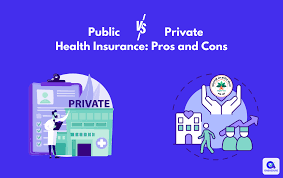
Health insurance in the United States is divided into two major systems: private health insurance and public health insurance. Choosing between them is one of the most important financial and healthcare decisions for individuals and families. Each system has different costs, benefits, eligibility rules, and long-term value.
This guide provides a complete comparison of private vs public health insurance in the USA, including how they work, who qualifies, cost differences, coverage quality, and which option may be better depending on your situation in 2026.
What Is Private Health Insurance?
Private health insurance is coverage provided by non-government companies. These companies offer insurance plans directly to individuals, families, or through employers.
Major private insurers in the USA include companies like Blue Cross Blue Shield, UnitedHealthcare, Aetna, and Cigna.
Private insurance can be purchased in three main ways:
Through an employer-sponsored plan, through the Affordable Care Act (ACA) marketplace, or directly from an insurance company.
Private plans are known for offering more flexibility in doctors, hospitals, and coverage options, but they usually come with higher monthly costs depending on the plan type.
What Is Public Health Insurance?
Public health insurance is government-funded or government-subsidized coverage designed to help low-income individuals, elderly people, and certain eligible groups.
The main public health insurance programs in the USA include Medicaid, Medicare, and the Children’s Health Insurance Program (CHIP).
Medicaid supports low-income individuals and families. Medicare mainly supports people aged 65 and older or those with certain disabilities. CHIP provides coverage for children in families that earn too much for Medicaid but still need financial assistance.
Public insurance is designed to make healthcare accessible and affordable, often at very low or zero cost for eligible individuals.
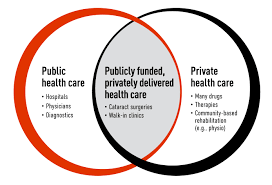
Cost Comparison: Private vs Public Insurance
One of the biggest differences between private and public insurance is cost.
Private insurance usually requires monthly premiums ranging from $200 to $700 or more depending on age, location, and coverage level. Deductibles and out-of-pocket costs can also be high, especially for low-premium plans.
Public insurance is significantly cheaper. Medicaid often has zero monthly premium and very low copayments. Medicare has moderate costs but is heavily subsidized. CHIP is also low-cost or free depending on income level.
In simple terms, public insurance is generally far more affordable, while private insurance offers more flexibility at a higher cost.
Eligibility Differences
Eligibility is another key difference.
Private insurance is available to almost everyone. You can buy it individually, through your employer, or via the ACA marketplace if you are legally residing in the country.
Public insurance, however, has strict eligibility rules. Medicaid is based on income level, household size, and state guidelines. Medicare is based on age or disability status. CHIP is based on family income and children’s age.
This means public insurance is targeted toward specific groups, while private insurance is open to nearly all residents.
Coverage Comparison
Private insurance usually offers broader provider networks, allowing patients to choose from a larger selection of doctors and hospitals. Many private plans also include additional services such as dental, vision, wellness programs, and faster access to specialists.
Public insurance coverage varies by program. Medicaid provides comprehensive coverage including hospital care, doctor visits, prescriptions, maternity care, and preventive services. Medicare also covers hospital and medical services, but often requires additional plans for full coverage.
CHIP provides essential healthcare for children, including preventive care and regular checkups.
In general, private insurance offers more flexibility, while public insurance focuses on essential and affordable healthcare access.
Quality of Care Differences
Both private and public insurance provide access to quality healthcare providers, but differences exist in speed and access.
Private insurance often offers shorter wait times and a wider selection of specialists. Patients may have more options for premium hospitals and doctors.
Public insurance may have longer wait times in some regions and fewer provider choices, but it still ensures access to essential healthcare services, especially for low-income individuals.
Pros and Cons of Private Health Insurance
Private health insurance has several advantages. It offers flexibility in choosing doctors and hospitals, faster access to specialists, and a wide range of plan options. It is also widely available and can be customized based on budget and needs.
However, it also has disadvantages. Costs are higher, especially for full coverage plans. Deductibles and copays can be expensive. Some plans have limited networks, and coverage varies significantly depending on the insurer.
Pros and Cons of Public Health Insurance
Public insurance has major benefits, especially affordability. Many people pay very little or nothing for Medicaid. It provides essential healthcare coverage and is a safety net for low-income families, elderly individuals, and children.
However, public insurance can have limitations. It may have fewer doctors and hospitals in the network. Some people experience longer wait times for appointments. Eligibility is also restricted based on income or age.
Which One Is Better?
There is no universal answer because the best choice depends on individual circumstances.
Private insurance is better for people who want more control, faster access, and are willing to pay higher monthly premiums. It is also suitable for people who do not qualify for government programs.
Public insurance is better for individuals with low income, seniors, children, or people with disabilities. It offers strong financial protection and often costs very little.
Real-Life Example
A working professional with stable income may choose private insurance and pay around $300–$600 per month for flexibility and faster service.
A low-income individual may qualify for Medicaid and pay $0 per month with full basic healthcare coverage.
A senior citizen may use Medicare with supplemental plans for comprehensive coverage at a reduced cost compared to private insurance.
Final Thoughts
Private and public health insurance in the USA serve different purposes. Private insurance focuses on flexibility and broader access, while public insurance focuses on affordability and accessibility for eligible groups.
The best option depends on your income, age, health needs, and financial situation. In many cases, public insurance provides the most affordable solution, while private insurance offers more choice and convenience.